Share



Published on 19 September, 2016
| Last Updated on 26 May, 2026
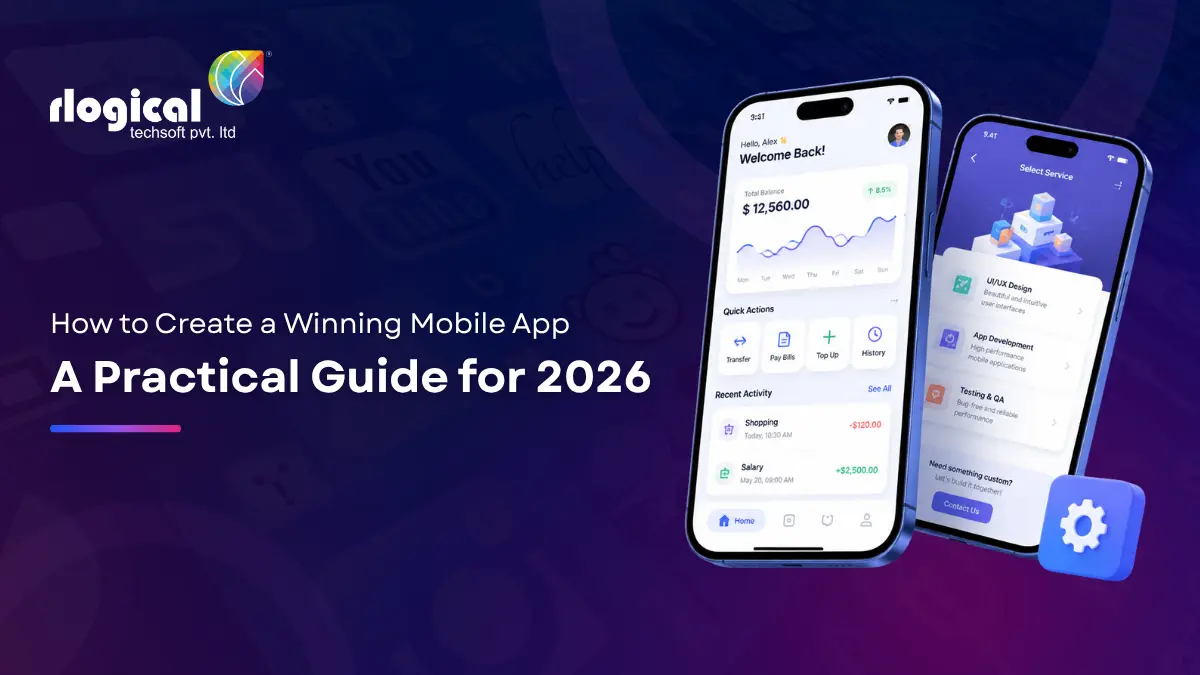
Building a mobile app that actually gets used is harder than it looks. Most apps fail not because of bad code, but because of weak planning, unclear value, or poor execution after launch. If you want your app to stand out in a market crowded with millions of options, you need a clear roadmap from idea to release and beyond.
Here is a step-by-step guide to creating a mobile app that wins users, retains them, and grows steadily over time.
Successful apps solve a specific problem for a specific group of people. Before writing a single line of code, ask yourself:
Skip vague answers. “Helping people stay productive” is too broad. “Helping freelance designers track billable hours across multiple clients” is sharp enough to build around.
Validate your idea by talking to potential users, running short surveys, or testing landing pages before development starts. If people don’t care about the problem, they won’t download your solution. Many businesses today prefer partnering with an experienced team to simplify the entire app development process :- https://www.rlogical.com/mobile-app-development/
Even if your idea feels original, similar apps probably exist. That is a good sign, not a bad one. It means there is demand. Study the top three to five competitors and look at:
User reviews are gold. They tell you exactly what frustrates people, which is your opportunity to do better.
The biggest mistake first-time founders make is building too much. A bloated app delays launch, drains your budget, and confuses users.
Stick to a Minimum Viable Product (MVP) with three to five core features that solve the main problem. Everything else can wait. Many of today’s biggest apps started with a single, narrow focus and expanded only after proving demand.
Make a simple list of must-have features versus nice-to-have features, and protect that boundary fiercely.
Decide whether to launch on iOS, Android, or both. Each has trade-offs:
For most startups, a cross-platform approach is a smart starting point. Native development (Swift for iOS, Kotlin for Android) makes more sense when performance is critical, as in games or AR apps. If you do not have an in-house technical team, it is often better to work with skilled professionals who can manage development efficiently. hire dedicated mobile app developers – https://www.rlogical.com/hire-mobile-app-developer/
A clean, intuitive interface is what keeps users coming back. Pretty design isn’t enough. The app needs to feel effortless.
Good UX practices include:
Test wireframes and prototypes with real users before development. Tools like Figma make this easy and affordable.
Once development begins, work in short cycles. Release internal builds regularly, gather feedback, and adjust. Don’t wait for a “perfect” version.
Run multiple layers of testing:
Bugs caught before launch are cheap. Bugs caught after launch cost you reviews, rankings, and trust.
Pick a revenue model that fits your audience and your app’s value:
Whatever you choose, be transparent. Hidden fees and aggressive paywalls hurt retention faster than almost anything else.
App Store Optimization is the mobile equivalent of SEO. It influences whether anyone finds your app in the first place.
Focus on:
Update your store listing regularly based on what is working and what isn’t.
Don’t just press publish and hope for the best. A successful launch needs marketing momentum:
The early days after launch tend to shape your app’s store visibility, so concentrate your effort there.
The work doesn’t end at launch. The best apps treat version 1.0 as a starting point. Track key metrics like daily active users, retention rates, churn, session length, and conversion. Read every review. Respond to feedback.
Push regular updates with bug fixes, performance improvements, and thoughtful new features. Apps that go quiet after launch get forgotten quickly.
A winning mobile app is the result of clear thinking, disciplined execution, and a real commitment to users. The technology matters, but it is rarely the deciding factor. What separates successful apps from forgotten ones is a deep understanding of who they serve and a willingness to keep improving.
Start small, validate often, and build something people genuinely want. That is the formula behind every app worth downloading.
Rahul Panchal is a visionary technology entrepreneur and the Founder & Managing Director of Rlogical Techsoft Pvt. Ltd. Passionate about the power of Artificial Intelligence, he focuses on helping businesses transform through AI-driven solutions, intelligent automation, and data-centric digital ecosystems. Alongside AI, his expertise spans scalable web and mobile platforms, Cloud, IoT, and modern enterprise technologies enabling organizations to innovate faster, optimize operations, and build future-ready digital products with real business impact.
Global insights on technology trends, best practices, and digital transformation strategies.

A proven track record of high-impact deliveries across industries and technologies
Share with us. We'll assess its feasibility, suggest the right tech stack, and share a clear cost & timeline.
Years of Experience
Projects
Countries
Engineers
Verified Client Reviews
Industry Served