Share



Published on 25 August, 2018
| Last Updated on 11 May, 2026
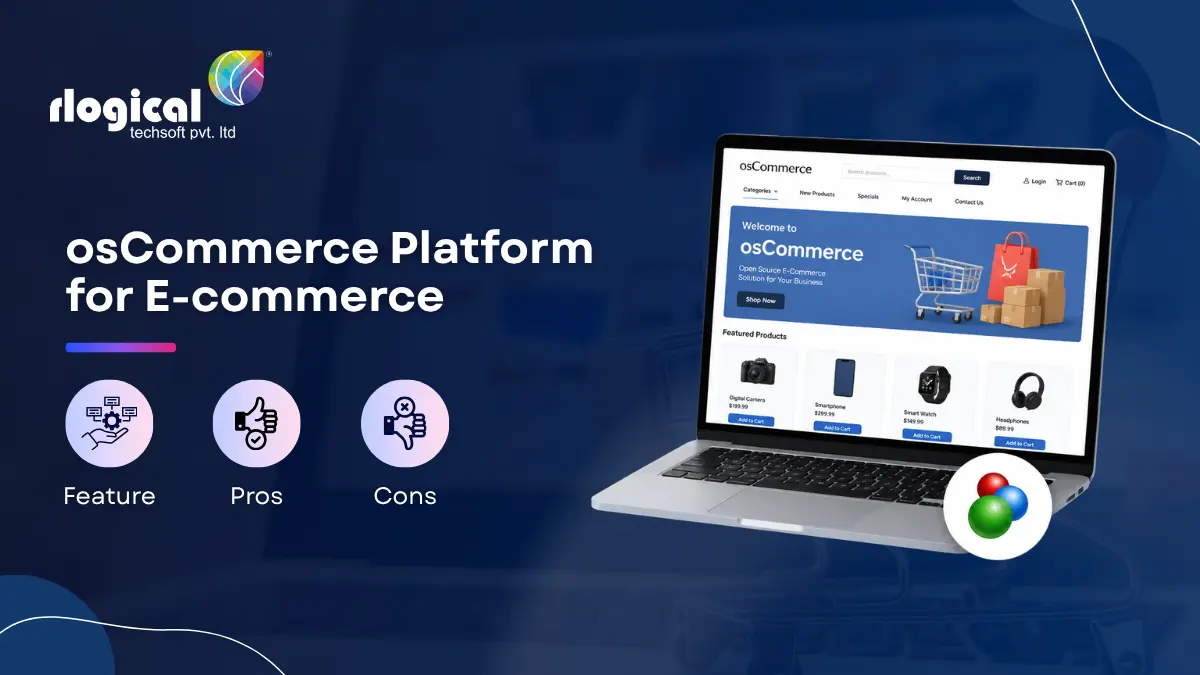
osCommerce, short for “Open Source Commerce,” is a free PHP-based shopping cart and online store management system. It runs on any web server with PHP and MySQL installed and is distributed under the GNU General Public License, making it one of the earliest open-source e-commerce platforms still in active use today.
Originally launched in March 2000 in Germany by Harald Ponce de Leon, osCommerce has powered tens of thousands of online stores worldwide. It also inspired several well-known forks, including Zen Cart and the early roots of Magento. For small and mid-size merchants looking for a low-cost way to launch an online store, osCommerce remains a practical option.
osCommerce is a self-hosted e-commerce solution that handles both the storefront and back-end administration of an online shop. Store owners download the package, install it on their hosting server, and manage products, orders, customers, and payments from a web-based admin panel.
Because it is open source, developers are free to modify the codebase, build custom modules, and extend the platform without licensing restrictions. A large community of contributors has built thousands of free and paid add-ons over the years.
The platform ships with a strong feature set out of the box. Some of the most useful capabilities include:
These features cover the core needs of most small-scale online stores without requiring third-party plugins.
The biggest draw is cost. osCommerce is free to download and use, which makes it attractive for startups and small businesses that want to validate a product idea before investing in a paid platform.
Other key benefits include:
For merchants who already have a developer or agency on hand, osCommerce offers significant flexibility at no software cost.
osCommerce also has trade-offs that buyers should weigh before committing. The default admin area lacks built-in protection layers found in newer platforms, so additional security hardening is usually needed.
The platform is not template-driven in the modern sense, which means design changes often require manual code edits. Its product attribute system is limited and does not include built-in stock-keeping units or full inventory control, which can be a problem for stores that rely heavily on product variants.
Performance can also become an issue at scale. As catalogs grow into the thousands of products, store owners typically need to optimize the database and customize the search and browsing logic to keep the site responsive. The admin interface, while functional, looks dated compared to newer e-commerce platforms.
osCommerce works best for small to mid-size merchants who want a free, customizable shopping cart and have access to development support. It suits stores with focused catalogs, predictable traffic, and a willingness to invest in custom modules where needed.
Larger enterprises, fast-growing brands, or merchants who need polished design templates and modern UX out of the box are usually better served by platforms like Shopify, WooCommerce, or Magento.
osCommerce remains a solid choice for open-source e-commerce. Its zero-cost license, broad feature set, and active community make it a credible option for budget-conscious store owners who value control over their code. By understanding both the strengths and the limitations upfront, businesses can decide whether osCommerce is the right foundation for their online store, or whether a more modern platform fits better.
If you are evaluating osCommerce for your next project, working with an experienced osCommerce development company can help you customize the platform, harden security, and tailor it to your specific business needs.
Rahul Panchal is a visionary technology entrepreneur and the Founder & Managing Director of Rlogical Techsoft Pvt. Ltd. Passionate about the power of Artificial Intelligence, he focuses on helping businesses transform through AI-driven solutions, intelligent automation, and data-centric digital ecosystems. Alongside AI, his expertise spans scalable web and mobile platforms, Cloud, IoT, and modern enterprise technologies enabling organizations to innovate faster, optimize operations, and build future-ready digital products with real business impact.
Global insights on technology trends, best practices, and digital transformation strategies.
A proven track record of high-impact deliveries across industries and technologies
Share with us. We'll assess its feasibility, suggest the right tech stack, and share a clear cost & timeline.
Years of Experience
Projects
Countries
Engineers
Verified Client Reviews
Industry Served