

Share



Published on 30 January, 2026
| Last Updated on 09 February, 2026
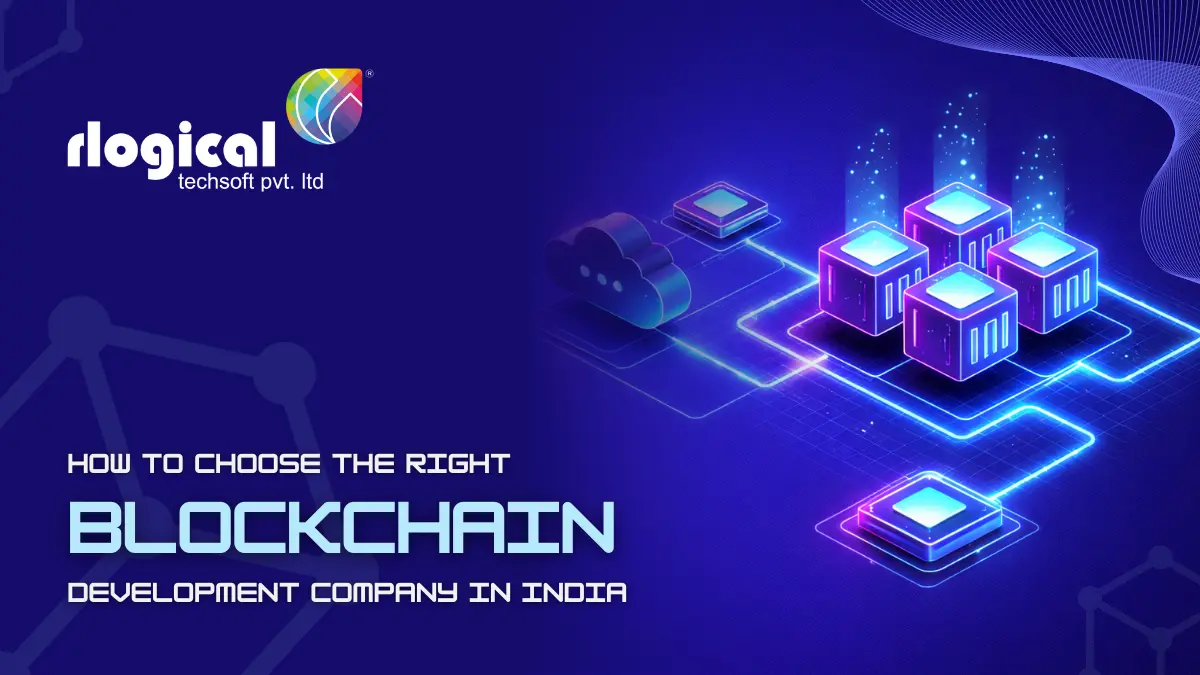
Blockchain projects are like no other software development project, once you’ve deployed smart contracts, they’re immutable, which means you can’t just patch things up with a quick fix if something goes wrong, and you can’t just fix security vulnerabilities without risking losing or getting hacked.
This is a big deal. your choice of blockchain development partner will be one of the most consequential decisions you’ll ever make. A good partner will help you with product discovery, token economics design, smart contract audits, regulatory compliance and long-term maintenance they’re not just writing code, they’re helping to architect your digital future.
But get it wrong and disaster can strike security breaches, non-compliance with Indian regulators, or just a total waste of time and money. Reputational damage is an easy side effect too users lose trust in your platform.
Indian firms have made a real splash in the global blockchain scene since 2018, think crypto exchanges, cross-border remittance dApps, NFT marketplaces and enterprise supply chain solutions. When you’re selecting a partner, aim high look for companies that have proven themselves on the global stage with verifiable production deployments.
India’s emergence as a blockchain hub got underway around 2017 and has been a rocket ship ride ever since. Today, major tech hubs like Ahmedabad, Bengaluru, Mumbai, Gurugram, Hyderabad and Pune are home to hundreds of specialist blockchain companies – from tiny boutique firms to global players.
India is one of the top countries for crypto and Web3 adoption, and Chain lysis reports show the country is consistently producing thousands of developers skilled in Solidity, Rust and Hyperledger frameworks – and that’s not even mentioning the GitHub contributors.
Indian teams have made significant contributions to the global blockchain ecosystem:
Indian teams have several big advantages, lower hourly rates (think 30-60% lower than US or European counterparts), 24/7 delivery capability, and a global community with English as the first language.
Despite the many strengths, though, the Indian market is a mixed bag. it’s not just mature firms with proven enterprise deployments, but also newcomers who may not have the depth for complex projects. That’s why having a clear selection criterion. we’ll be covering this next is essential for any organisation looking for a reliable partner.
Before diving into how to pick the right firm, it’s worth understanding why India has become such a compelling destination for blockchain development services. The value proposition extends well beyond cost savings.
Mid-tier and top-tier Indian blockchain development firms can deliver enterprise-grade DeFi, NFT and supply chain management projects at 30-60% lower cost than equivalent US or European providers. Experienced blockchain developers in India can charge anything from $25-$75 an hour whereas in Western markets, it’s more like $100-$250+ an hour. This is a great opportunity to reallocate your budget towards security audits, testing and ongoing support.
India produces one of the world’s largest pools of skilled developers proficient in:
Indian blockchain companies have developed a broad range of solutions; think fintech (exchanges, Defi protocols), insurance, trade finance, healthcare data sharing, logistics and provenance tracking, and even government pilots (land records, digital identity). This vast scope means you should be able to find partners who have already done something similar in your industry and that is a huge advantage when dealing with industry-specific regulatory and technical hurdles.
Top Indian companies like Rlogical has a lot of experience at working remotely with clients all over the world, which includes US, UK, EU, Middle East and APAC regions. They usually use standard project management tools like Jira, Trello, Slack and Microsoft Teams and have pretty well established processes in place for sprint planning, daily standups and regular client demos.
The first part of your selection process, the bit that gets to the heart of the matter forms the core of your selection process. Use the following criteria to methodically evaluate and narrow down a shortlist of 3 to 10 potential development partners before conducting further in-depth discovery conversations.
The evaluation framework covers seven key dimensions: technical expertise, portfolio strength, client reviews, technology stack, security practices, communication fit and pricing transparency. Each section includes specific questions you can use during discovery calls to look at the capabilities of the various vendors.
Generic application developers even excellent ones lack the specialized knowledge required for blockchain projects. You need teams with deep expertise in distributed systems, cryptography, and specific blockchain platforms relevant to your use case.
Live, verifiable projects matter far more than polished pitch decks. A blockchain development firm’s portfolio reveals not just what they claim to do, but what they’ve actually delivered successfully.
| Project Type | What to Look For |
| Proof of Concept | Clean architecture, clear documentation |
| MVP | User adoption metrics, iteration history |
| Full Platform | Peak TPS handled, uptime statistics, audit history |
| Enterprise Integration | ERP/CRM connectivity, multi-stakeholder coordination |
A financial services firm in Mumbai should prioritize companies with KYC/AML experience, CBDC pilot participation, or trade finance consortia work. A logistics enterprise needs partners with IoT integration experience and supply chain provenance implementations.
Questions to ask:
Public feedback helps cut through marketing claims and reveals how a blockchain development company actually performs under real project conditions.
| Platform | What to Look For |
| Clutch | Detailed project reviews, verified clients, 4.5+ ratings |
| GoodFirms | Industry-specific rankings, client testimonials |
| G2 | User experience feedback, comparison features |
| Upwork | Freelancer track record if considering smaller teams |
| Google Reviews | Authentic client feedback, response patterns |
Request contact information for 2–3 clients (both Indian and international) who engaged the firm for blockchain projects between 2020 and 2024. Prepare specific questions about their experience with project delivery, technical competence, and ongoing support.
Review profiles of founders, technical leads, and claimed clients. Look for authentic professional histories and genuine endorsements rather than inflated claims.
The right technology stack determines whether your blockchain solutions will scale, remain maintainable, and integrate smoothly with your existing business operations.
Frontend and Backend Technologies:
Prefer firms using agile or Scrum methodologies with clear sprint planning, demos every 1–2 weeks, and tools like Jira, ClickUp, or Asana for transparency.
Questions to ask:
Between 2020 and 2023, billions of dollars were lost to DeFi and NFT hacks. Selecting a blockchain development firm with robust security measures and mature security practices isn’t optional it’s fundamental to your blockchain project’s success.
A forward thinking development company in India should understand:
Many Indian blockchain companies work primarily with overseas clients, which means transparent communication and effective time-zone management are core competencies rather than afterthoughts.
Consider a paid discovery workshop or small PoC engagement (2–4 weeks) with one or two Indian vendors to evaluate collaboration quality before signing a large contract.
Confirm how quickly the development team responds during India working hours and whether they can offer partial overlap with US or EU business days for critical meetings.
Indian firms typically offer flexible pricing models, but buyers must look beyond headline hourly rates to understand true blockchain development cost.
| Model | Best For | Considerations |
| Fixed Price | Well-defined MVPs with stable scope | Requires detailed specifications upfront |
| Time & Materials | Evolving products, research-heavy projects | Need strong scope management |
| Dedicated Team | Long-term platforms, ongoing development | Higher commitment, better long-term rates |
Questions to ask:
Knowing the typical blockchain development lifecycle helps you manage expectations around timelines, budgets, and responsibilities at each stage. Mature Indian blockchain firms follow structured processes that ensure quality and reduce risk.
Good Indian companies insist on a structured discovery phase before writing any code. This investment upfront prevents expensive corrections later in the development process.
Typical duration: 1–4 weeks depending on project requirements and stakeholder availability.
Questions to ask:
A robust architecture and intuitive UX are critical, especially when onboarding users who may be new to blockchain applications and concepts like wallets, private keys, and gas fees.
Typical duration: 2–6 weeks depending on product scope, with at least 1–2 feedback rounds.
Development typically follows iterative 1–2 week sprints, allowing for regular feedback and course corrections throughout the development phase.
Testing layers:
| Testing Type | Purpose | Tools |
| Unit Tests | Individual function validation | Mocha, Chai, Jest |
| Integration Tests | Component interaction | Hardhat tests |
| Testnet Deployment | Real network behavior | Goerli, Sepolia, Mumbai |
| Security Testing | Vulnerability detection | Slither, Mythril |
| Load Testing | Performance validation | Custom scripts |
Typical timeline ranges:
The transition from testnet to mainnet requires careful staging and preparation. Rushing this phase is one of the most common sources of costly mistakes.
Recommended approach:
Consider a phased rollout with a limited beta to a subset of users before full public launch.
Blockchain projects require ongoing support for protocol changes, emerging security threats, and business evolution. A successful partnership includes clear agreements for the post-launch period.
| Aspect | What to Negotiate |
| Uptime | 99.5%+ guarantees |
| Response Time | Critical issues within hours |
| Support Channels | Dedicated Slack, email, phone |
| Review Meetings | Monthly or quarterly |
Negotiate a 6–12 month post-launch support agreement with clear pricing and scope before signing your initial contract.
Many companies choose India for blockchain development in 2025–2026 because of the compelling combination of cost efficiency and strong engineering talent. For detailed service insights, you can also visit https://www.rlogical.com/blockchain-development/
| Project Type | Estimated Range (USD) |
| Small PoC | $5,000–$25,000 |
| Feature-limited MVP | $25,000–$75,000 |
| Full-featured MVP | $75,000–$150,000 |
| Enterprise Platform | $150,000–$500,000+ |
Request 2–3 detailed proposals from your shortlisted Indian vendors and challenge unclear line items or vague time estimates.
Warning: Avoid choosing solely based on the lowest bid. Under-quoting is a common issue that leads to rushed implementations, skipped security practices, and cutting edge solutions that fail in production.
Contracts with Indian development companies should clearly define deliverables, milestones, and payment schedules to prevent disputes and ensure accountability.
Structure payments around tangible outputs:
Establish clear processes for scope changes:
Ensure contracts specify that:
For cross-border engagements, establish:
Consider legal review of contracts, especially for projects involving token offerings, exchanges, or cross-border payment flows.
Blockchain technology is continuously evolving. Your chosen partner should be positioned to support you through 2026 and beyond as protocols mature and new opportunities emerge.
The best blockchain partner approaches engagements as ongoing relationships:
View your Indian development partner not as an outsourcing vendor but as a strategic product and innovation partner invested in your business growth.
This condensed action guide summarizes the evaluation framework into a linear process you can follow immediately.
Compare proposals across these dimensions:
| Dimension | What to Compare |
| Technical Approach | Architecture, platform choice, scalability strategy |
| Team Composition | Senior/junior ratio, dedicated vs. shared resources |
| Timeline | Realistic milestones, buffer for testing and audits |
| Security | Testing approach, audit inclusion, incident handling |
| Total Cost | All-in pricing including support and hidden costs |
Costs vary significantly depending on project requirements. A simple proof of concept might cost $5,000-$25,000, while a feature-rich MVP can range from $50,000-$150,000. Key factors affecting blockchain development cost include platform choice, number of smart contracts, integration requirements, security audit scope and whether you need mobile apps alongside web interfaces. Always ask for itemised quotes and compare at least 2-3 proposals to understand market rates for your specific needs.
A focused MVP from a skilled development team typically takes 8-12 weeks including discovery, design, development and testing phases. Complex enterprise platforms or multi-chain solutions can take 4-8+ months. Timeline depends on clarity of project requirements, complexity of smart contract logic, number of integrations needed, thoroughness of security testing and audits, and regulatory compliance reviews required. Indian firms experienced with your specific use case can often deliver faster due to reusable components and domain knowledge from successful projects (https://www.rlogical.com/hire-dedicated-developers/ )..
Yes they can but it’s worth asking about their experience in this area. While they can certainly help with the process, it’s also worth considering bringing in external experts to ensure your project meets all the necessary regulatory requirements. Yes, many of the bigger Indian blockchain development firms actually team up with external security auditors and legal advisors – it’s standard practice. When it comes to smart contract audits, these companies usually have to prepare soteamand they typically work with firms like CertiK, OpenZeppelin or PeckShield .
Outsourcing blockchain work to India can be safe and sound if you find a good partner that takes security seriously. A few of the key safeguards that are worth looking out for include having comprehensive NDAs and the right IP assignment clauses in the contract, choosing a vendor that’s got ISO 27001 or SOC 2 certification for data security, and making sure their contract specifies the right laws and how you’ll sort out any disputes. Chasing up some reference checks with their international clients who’ve completed similar work is also a good idea and actually lots of Indian blockchain companies have loads of experience working with clients from the US, UK, EU and Middle East and they’ve got robust security protocols in place to handle sensitive project info.
Start with looking at their portfolio ask them for links to some live projects and actually check they’re working. Then ask for some past client references and ring a few of them up to get their take on the experience. If you want to get a second opinion on the vendor proposal or architecture, you could think about hiring a freelance blockchain consultant to look at it for a few hours. A great way to start is with a small paid job basically a brief discovery phase or a small prototype to see how you work together before taking on a bigger project. When evaluating their worth focus on how good their communication is, how transparent they are about the challenges they’re facing, and whether they can explain the tech stuff in clear, non-technical terms rather than just focusing on their tech credentials.
Jatin Panchal is an innovation-driven entrepreneur, and the Founder & Managing Director of Rlogical Techsoft Pvt. Ltd. He believes modern leadership is driven by innovation, adaptability, and the transformative power of Artificial Intelligence. He focuses on helping businesses accelerate digital growth through AI-powered solutions, intelligent automation, Cloud, blockchain, IoT, and scalable enterprise technologies. With a strong strategic vision and future-focused mindset, he is passionate about building technology ecosystems that improve efficiency, drive innovation, and create long-term business value for global clients.
Global insights on technology trends, best practices, and digital transformation strategies.
A proven track record of high-impact deliveries across industries and technologies
Share with us. We'll assess its feasibility, suggest the right tech stack, and share a clear cost & timeline.
Years of Experience
Projects
Countries
Engineers
Verified Client Reviews
Industry Served